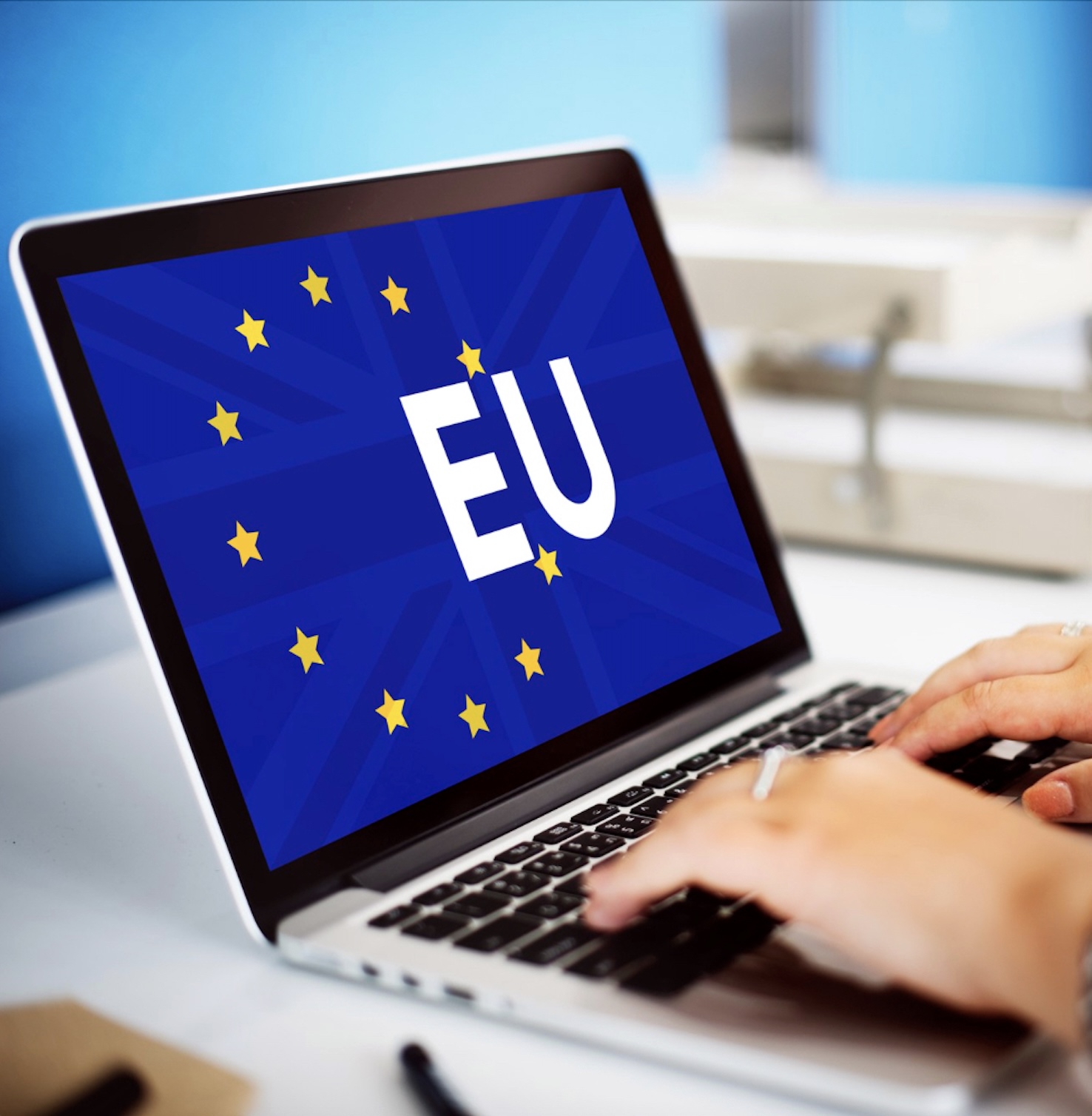
EU adopts a new Bioeconomy Strategy
The EU Bioeconomy Strategy places bioplastics at the core of Europe’s industrial transition.
Brussels, 27 November 2025 – The European Commission has officially embedded biobased plastics into a coherent PPWR framework and is preparing legally binding targets. This marks one of the strongest signals yet that biobased plastics are now a central priority within EU industrial policy!
It means, this ambitious Strategy, which confirms - more clearly than ever - that biobased plastics are a strategic pillar of Europe’s future industrial base. The updated Strategy recognises the sector as a lead market in Europe’s shift away from fossil-based materials and acknowledges the immense potential of bioplastics to help scale and strengthen the EU bioeconomy.
A milestone moment for innovation, sustainability, and Europe’s industrial resilience.
This is one of the most notable EU sustainability frameworks of late 2025. It recasts the use of biological resources (agriculture, forestry, biotech, bio-energy and bio-materials) as central to the EU’s climate, circular economy, and industrial competitiveness goals. It also creates demand pull for bioplastics and other biobased materials - supporting the broader Green Deal ambitions.
The strategy frames biobased plastics, fermentation and alternative proteins as growth areas, emphasising innovation as well as sustainability.
Read in full here.
Brussels, 27 November 2025 – The European Commission has officially embedded biobased plastics into a coherent PPWR framework and is preparing legally binding targets. This marks one of the strongest signals yet that biobased plastics are now a central priority within EU industrial policy!
It means, this ambitious Strategy, which confirms - more clearly than ever - that biobased plastics are a strategic pillar of Europe’s future industrial base. The updated Strategy recognises the sector as a lead market in Europe’s shift away from fossil-based materials and acknowledges the immense potential of bioplastics to help scale and strengthen the EU bioeconomy.
A milestone moment for innovation, sustainability, and Europe’s industrial resilience.
This is one of the most notable EU sustainability frameworks of late 2025. It recasts the use of biological resources (agriculture, forestry, biotech, bio-energy and bio-materials) as central to the EU’s climate, circular economy, and industrial competitiveness goals. It also creates demand pull for bioplastics and other biobased materials - supporting the broader Green Deal ambitions.
The strategy frames biobased plastics, fermentation and alternative proteins as growth areas, emphasising innovation as well as sustainability.
Read in full here.
Circular economy progress: deal on vehicle circularity rules
The Council of the EU and European Parliament struck a provisional political agreement on a new regulation on vehicle circularity and end-of-life vehicles (ELVs).
Key points:
Key points:
- New requirements will ensure vehicles are designed for reuse, recycling and recovery.
- The deal will replace existing directives and is a core component of the EU Circular Economy Action Plan.
- The agreement significantly strengthens the principle of extended producer responsibility (EPR), making producers financially and organisationally responsible for the entire lifecycle of their vehicles.
- Crucially, it includes a ban on exporting non-roadworthy used vehicles outside the EU to prevent pollution and material loss.
A core element of the agreement is the introduction of mandatory targets for recycled content, notably plastics, in new vehicles. These targets of recycled plastics will be phased in over ten years:
A minimum of 20% of this recycled plastic must come from closed-loop recycling(that is, material recovered from end-of-life vehicles) to ensure valuable materials are retained within the EU's circular economy.
For more details go to press release here.
- 15% in 6 years
- 25% in 10 years
A minimum of 20% of this recycled plastic must come from closed-loop recycling(that is, material recovered from end-of-life vehicles) to ensure valuable materials are retained within the EU's circular economy.
For more details go to press release here.
EU Parliament & Council shift company sustainability rules
Legislators and co-lawmakers agreed to significantly weaken or simplify corporate sustainability due diligence obligations (e.g., CSDDD and CSRD) in late 2025.
Details:
While not purely “environmental” news, sustainability governance for companies is a core pillar of EU Green Deal implementation, and these changes show political trade-offs between regulatory ambition and competitiveness/simplification priorities.
More details you find here.
Details:
- The Corporate Sustainability Due Diligence Directive (CSDDD) will now apply only to very large companies (high thresholds for employees and turnover).
- WWF and civil society criticised the move as diluting key sustainability safeguards.
While not purely “environmental” news, sustainability governance for companies is a core pillar of EU Green Deal implementation, and these changes show political trade-offs between regulatory ambition and competitiveness/simplification priorities.
More details you find here.
EU environmental rule simplification package
The European Commission has presented a package of measures to simplify environmental legislation in the areas of industrial emissions, circular economy, environmental assessments and geodata.
Essential elements of the proposal
With this proposal companies are expected to save around 1 billion euros annually.
The official press release and supporting materials you may find here.
Essential elements of the proposal
- Optimised environmental assessments for the granting of permits
- Simplified industrial emission standards for industry and farmers
- More effective digital solutions for hazardous substances in products
- Simplified extended producer responsibility (EPR)
- Easier access to geodata
With this proposal companies are expected to save around 1 billion euros annually.
The official press release and supporting materials you may find here.
Sign up for my newsletter and follow me on LinkedIn for more news!
To book my sustainability consultation and explore the cooperation ways you may here.
